
Car Interior Air Quality and Health Impacts: What’s Really in Your Ride?
You buckle up, turn the key, and breathe in. That first lungful of air inside your car? It might not be as harmless as you think. In fact, the air quality inside your vehicle can be two to five times worse than the air outside, according to some studies. And honestly? That’s a little unsettling.
We spend a lot of time in our cars—commuting, road-tripping, running errands. But most of us never stop to think about what we’re actually breathing in while we drive. Let’s change that. Let’s dive into the hidden world of car interior air quality and how it messes with your health.
The Invisible Cocktail: What’s Floating Around Your Cabin?
Your car’s cabin is like a sealed box. And inside that box, there’s a cocktail of chemicals, particles, and biological nasties. Here’s the deal—it’s not just dust. It’s stuff like:
- Volatile Organic Compounds (VOCs) – These are gases emitted from plastics, adhesives, upholstery, and even your air freshener. Think benzene, formaldehyde, toluene. Yep, the same stuff found in paint thinners and glues.
- Particulate Matter (PM2.5 and PM10) – Tiny particles from road dust, exhaust fumes, and brake wear. They’re small enough to get deep into your lungs.
- Mold and bacteria – Especially if you’ve ever left a wet gym bag in the back or spilled coffee. Moisture + warmth = a microbial party.
- Carbon monoxide and nitrogen dioxide – Leaking in from your own engine or from the car ahead of you in traffic.
And here’s the kicker: these pollutants don’t just sit there. They accumulate. Especially on hot days when the sun bakes your dashboard, releasing even more VOCs. Ever gotten into a car that’s been sitting in the sun and smelled that “new car” scent? That’s not a good smell—it’s a chemical cloud.
How Bad Is It, Really? The Health Impacts
Well, it depends. On how long you’re in the car, on the age of the vehicle, on whether you smoke or eat inside. But generally, the health impacts range from annoying to genuinely concerning.
Short-Term Effects: The Annoying Stuff
You know that headache you get after a long drive? Or the scratchy throat and watery eyes? That could be your car’s air quality talking. Common short-term symptoms include:
- Eye, nose, and throat irritation
- Dizziness or lightheadedness
- Fatigue—like, you’re not just tired from driving
- Allergic reactions (sneezing, coughing)
- Difficulty concentrating
These symptoms often fade once you step out of the car. But if you’re a daily commuter? That’s a lot of irritation, day after day.
Long-Term Risks: The Scary Stuff
Chronic exposure to high levels of VOCs and particulate matter is linked to more serious issues. We’re talking:
- Respiratory diseases – Asthma, bronchitis, reduced lung function. Especially in children or people with pre-existing conditions.
- Cardiovascular problems – Fine particles can enter your bloodstream, increasing risk of heart attacks and strokes.
- Neurological effects – Some VOCs (like toluene) are neurotoxic. Long-term exposure might affect memory and cognition.
- Cancer risk – Benzene and formaldehyde are classified as carcinogens. The risk is low, but it’s not zero.
Now, I’m not saying your car is a death trap. But it’s worth paying attention to. Especially if you spend more than an hour a day behind the wheel—like millions of us do.
Who’s Most at Risk? (Spoiler: It’s Not Just You)
Certain groups are more vulnerable to poor car air quality. Kids, for instance. Their lungs are still developing, and they breathe faster than adults. That means they inhale more pollutants per pound of body weight. Pregnant women? Also at higher risk—some VOCs can cross the placenta. And if you have asthma or allergies? You’re basically sitting in a trigger zone.
Oh, and let’s not forget pets. Dogs stick their heads out the window, sure, but they’re also breathing in whatever’s in the cabin. Just something to think about.
How to Clean Up Your Car’s Air (Without Going Full Scientist)
Alright, so the problem is real. But what can you actually do about it? A lot, actually. And most of it is pretty simple.
1. The “Sun Bake” Trick (Or, Let It Air Out)
On hot days, roll down your windows for a few minutes before you start driving. That initial blast of hot air contains a higher concentration of VOCs. Let it escape. Then close up and turn on the AC. It’s a small habit, but it helps.
2. Change Your Cabin Air Filter—Seriously
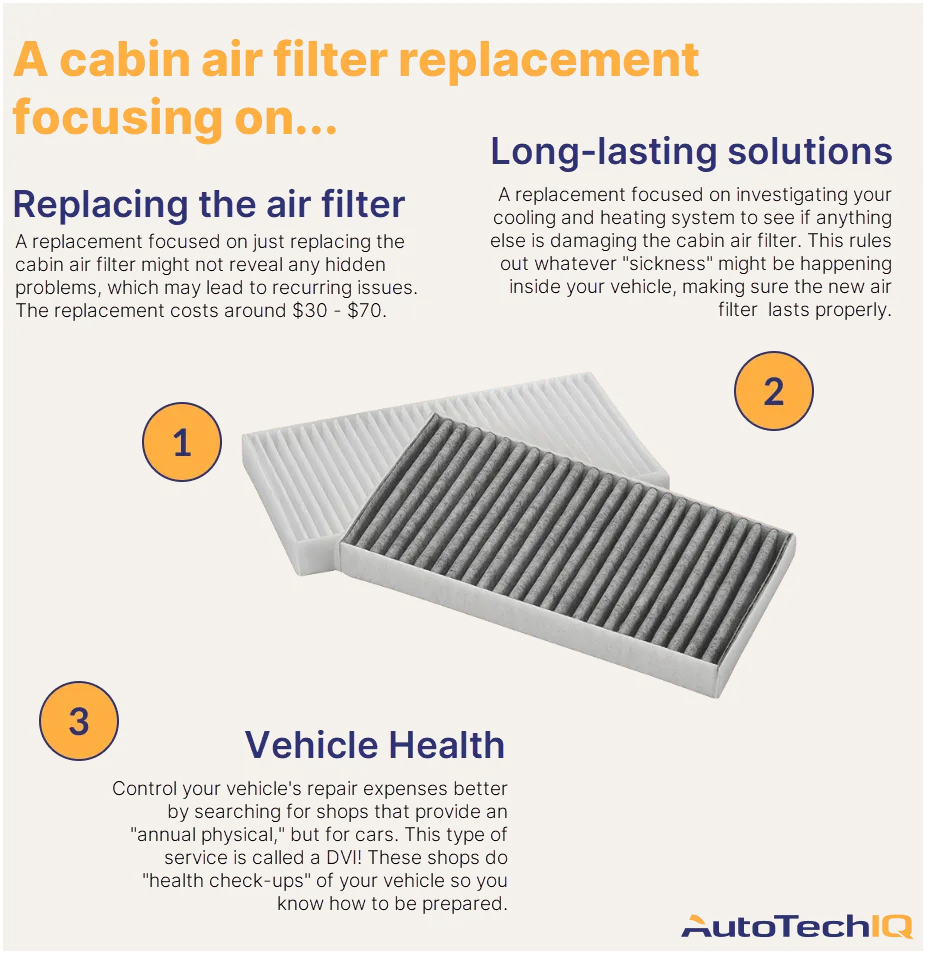
This is the unsung hero of car air quality. Your cabin air filter traps dust, pollen, and some pollutants. But if it’s clogged? It’s useless. Most manufacturers recommend changing it every 12,000 to 15,000 miles. Check your owner’s manual. And if you drive in heavy traffic or dusty areas? Change it more often.
3. Ditch the Chemical Air Fresheners
I know, I know—they smell nice. But most of them are just adding more VOCs to the air. Try natural alternatives instead. A small bag of activated charcoal, some baking soda under the seat, or even a few drops of essential oil on a cotton ball. Your lungs will thank you.
4. Vacuum Like You Mean It
Dust, pet dander, food crumbs—they all accumulate. And they all get kicked up into the air when you drive. Vacuum your carpets and seats regularly. Use a HEPA-filter vacuum if you can. And don’t forget the floor mats.
5. Keep the AC in Check
Your car’s air conditioning system can harbor mold and bacteria if it’s not maintained. That musty smell when you first turn on the AC? That’s microbial growth. Run the fan on high for a few minutes with the windows down before you hit the road. And consider a professional AC cleaning service if the smell persists.
New Cars vs. Old Cars: Which Is Worse?
It’s a bit of a trade-off. New cars have that “new car smell” (which, again, is a chemical soup). They off-gas VOCs for months—sometimes up to a year. So a brand-new car might actually have worse air quality than a 10-year-old one.
But older cars? They can have leaks, mold, and worn-out seals that let exhaust fumes in. Plus, the cabin air filter might be ancient. So neither is perfect. The key is maintenance, regardless of age.
A Quick Look at the Numbers
Let’s put this in perspective. Here’s a rough comparison of typical pollutant levels inside and outside a car during a commute:
| Pollutant | Inside Car (typical) | Outside (urban area) | Health Concern |
|---|---|---|---|
| VOCs (total) | 200–500 µg/m³ | 50–100 µg/m³ | Irritation, long-term risk |
| PM2.5 | 30–100 µg/m³ | 15–40 µg/m³ | Respiratory, cardiovascular |
| Carbon monoxide | Up to 20 ppm (in traffic) | <5 ppm | Headaches, fatigue |
| Formaldehyde | 10–50 ppb | <5 ppb | Carcinogen (long-term) |
These numbers vary wildly, sure. But the pattern is clear: your car’s cabin can concentrate pollutants. And that’s not great.
What About Electric Cars? Are They Better?
Good question. Electric vehicles (EVs) don’t have tailpipe emissions, so you’re not breathing in your own exhaust. That’s a big win. But they still have interiors made of plastics, adhesives, and fabrics. So VOCs are still a thing. In fact, some studies suggest that new EVs can have similar VOC levels to new gas cars. The difference? No engine fumes. So overall, slightly better—but not a magic bullet.
When to Take It Seriously
If you notice any of these signs, it’s time to act:
- Persistent musty or chemical smell
- You or your passengers feel sick after drives
- Foggy windows that don’t clear (could indicate excess moisture and mold)
- Visible dust or mold on vents or seats
Don’t ignore it. Your car is a tool, but it’s also a space you inhabit. Treat it like one.
The Bottom Line (No, Really)
Car interior air quality isn’t just a niche concern for hypochondriacs. It’s a real, measurable factor in your daily health. And the good news? You don’t need a lab coat to fix it. A few simple habits—airing out the car, changing the filter, skipping the fake pine scent—can make a real difference.
So next time you slide into the driver’s seat, take a second. Breathe in. Is it fresh? Or does it feel… heavy? If it’s the latter, you know what to do. Your lungs are in the driver’s seat too.
[Meta title: Car Interior Air Quality and Health Impacts: What You Need to Know
About Author
