
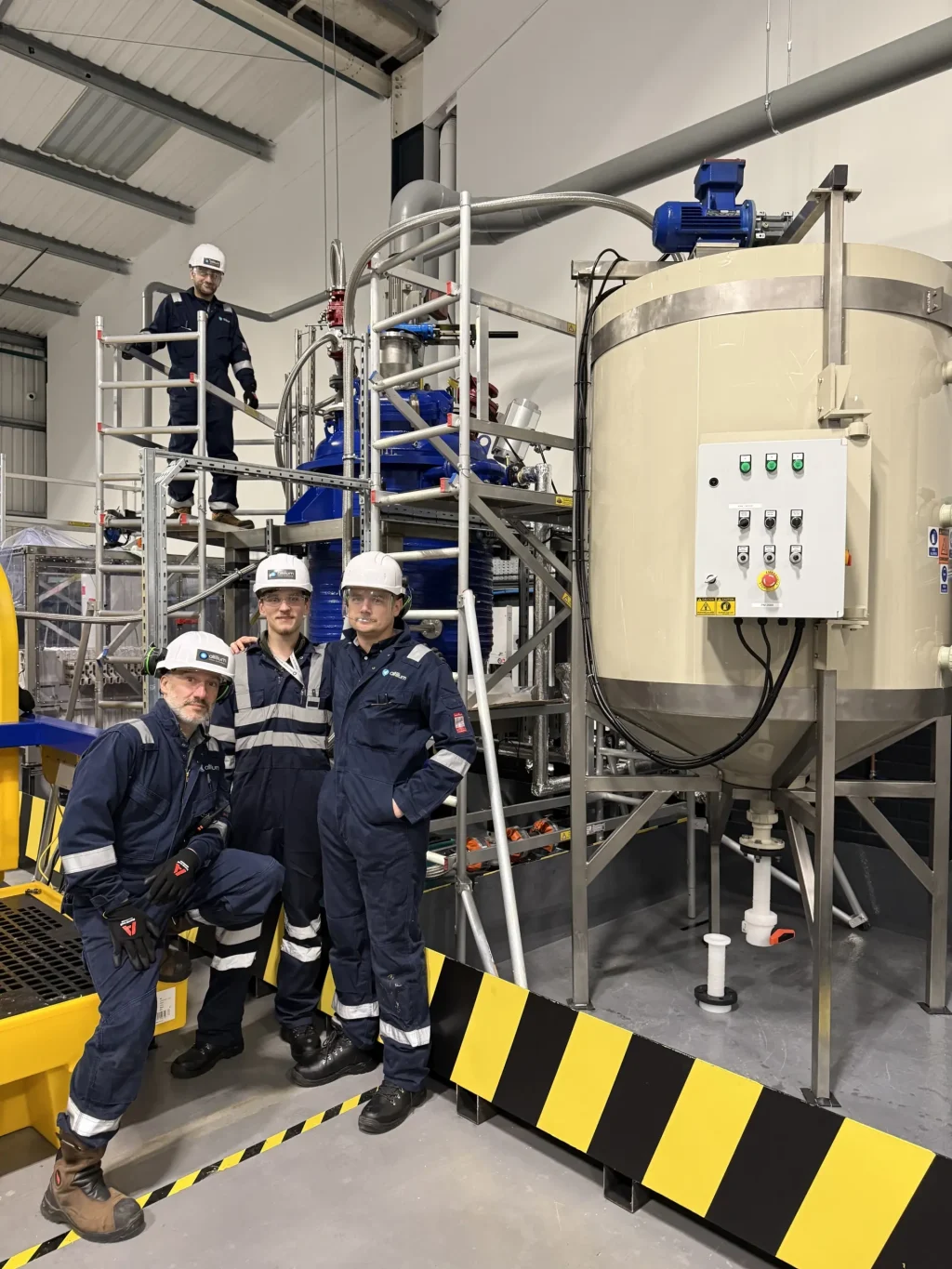
EV Battery Recycling and Second-Life Applications: Powering a Circular Economy
Let’s be real for a second. Electric vehicles are everywhere now. You see them gliding silently past gas stations, their owners smugly sipping lattes. But here’s the dirty little secret nobody talks about at cocktail parties: what happens when those massive lithium-ion batteries finally give up the ghost? Sure, a battery pack might last 10 to 15 years in a car, but after that? It’s not like you can just toss it in the recycling bin with your Sunday newspapers.
That’s where things get interesting — and honestly, a little messy. The world is staring down a mountain of spent EV batteries. By 2030, we’re talking millions of tons of them. But here’s the twist: that “problem” is actually a goldmine of opportunity. We’re talking about recycling and second-life applications that could reshape how we think about energy, waste, and even your monthly electricity bill.
Why EV Batteries Are a Different Beast
First off, let’s get one thing straight. An EV battery isn’t like the AA battery in your TV remote. It’s a complex, heavy, and frankly dangerous piece of tech. We’re talking about lithium, cobalt, nickel, and manganese — materials that are expensive to mine, ethically questionable in some cases, and definitely not something you want leaching into groundwater.
When a battery degrades to about 70-80% of its original capacity, it’s considered “end of life” for a car. But here’s the kicker: it’s still got plenty of juice left. That’s like throwing away a half-full gas tank. So, the smart move? Give it a second life.
The Two Paths: Recycling vs. Second-Life
There are basically two roads a retired EV battery can take. And they’re not mutually exclusive — sometimes a battery does both.
- Second-Life Applications: The battery gets repurposed for less demanding tasks. Think stationary energy storage, backup power for data centers, or even powering streetlights. It’s like taking a retired racehorse and letting it pull a carriage — still useful, just at a slower pace.
- Recycling: The battery gets shredded, smelted, or chemically processed to recover raw materials. These materials then go back into making new batteries. It’s the ultimate circular economy move — like turning an old soda can into a new one, but way more complicated.
Which one wins? Well, it depends. On the battery chemistry, the degradation level, and honestly, the economics. Let’s break it down.
Second-Life Batteries: The Unsung Heroes of Grid Storage
Imagine this: a retired Nissan Leaf battery, still holding 75% of its charge, gets hooked up to a solar panel array in a suburban home. During the day, it stores excess solar energy. At night, it powers the house. That’s not science fiction — it’s happening right now in places like California and Germany.
Second-life batteries are perfect for applications where weight and size don’t matter as much. In a car, every kilogram counts. But sitting in a basement or a shipping container? Who cares if it’s a bit heavy?
Recycling: The Dirty, Dangerous, Necessary Art
When a battery is too degraded for a second life — or just plain dead — recycling is the only option. And let me tell you, it’s not as simple as tossing it in a furnace.
There are three main recycling methods right now:
- Pyrometallurgy: Smelting the battery at insane temperatures to recover cobalt, nickel, and copper. It’s energy-intensive, but it works. The downside? Lithium and aluminum often get lost in the slag. Not ideal.
- Hydrometallurgy: Using chemical solutions to leach out metals. It’s more precise and recovers more lithium, but it uses a lot of water and harsh chemicals. Think of it as a high-tech acid bath.
- Direct Recycling: This is the holy grail. Instead of breaking everything down, you physically separate the cathode and anode materials and reuse them directly. It’s cheaper and greener, but it’s still in the early stages — like trying to un-scramble an egg.
Honestly, the industry is still figuring out which method works best. But one thing’s for sure: we can’t keep mining new materials forever. Recycling is non-negotiable.
A Quick Look at the Numbers
Let’s put some hard data on the table. Because numbers don’t lie, even if they’re a bit boring.
| Method | Recovery Rate (Cobalt) | Recovery Rate (Lithium) | Energy Use | Maturity |
|---|---|---|---|---|
| Pyrometallurgy | ~90% | 0% (lost) | High | Mature |
| Hydrometallurgy | ~95% | ~80% | Medium | Growing |
| Direct Recycling | ~100% (theoretical) | ~100% (theoretical) | Low | Emerging |
Notice how direct recycling looks amazing on paper but isn’t ready for prime time? That’s the challenge. We need investment, research, and a bit of luck.
You can’t talk about battery recycling without mentioning the elephant in the room: fire. Lithium-ion batteries are notoriously unstable when damaged. Transporting them? That’s a hazmat nightmare. Storage? You need fire-proof containers and ventilation.
Regulations are still catching up. The EU’s new Battery Regulation (effective 2024) mandates that by 2031, new batteries must contain at least 16% recycled cobalt and 6% recycled lithium. That’s a big deal. It’s basically forcing the industry to get its act together.
In the U.S., it’s more of a patchwork. Some states have strict rules; others don’t. But with the federal government pouring billions into domestic battery supply chains, expect more clarity soon. Or, you know, more chaos. It’s a coin toss.
I’ll be honest — predicting the future of battery recycling is like trying to predict the weather in Seattle. It’s murky, but trends are emerging.
First, automation and AI are coming. Robots that can disassemble battery packs faster and safer than humans? Already in development. Second, solid-state batteries might change the game entirely — they’re safer and easier to recycle, but they’re still years away from mass production.
And third, the second-life market is going to explode. As more EVs hit the road, more batteries will retire. By 2035, we could have over 200 GWh of second-life battery capacity available globally. That’s enough to power millions of homes during peak hours. Imagine a world where your old car battery helps keep the lights on during a heatwave. That’s not just clever — it’s necessary.
Here’s the thing: EV batteries aren’t waste. They’re resources in the wrong place. Recycling and second-life applications aren’t just nice-to-haves — they’re the backbone of a sustainable electric future. Without them, the EV revolution is just trading one environmental problem for another.
Sure, the technology is messy. The economics are shaky. And regulations are playing catch-up. But that’s how progress works — one awkward, fire-prone step at a time. The next time you see an electric car silently zipping by, remember: its battery’s story doesn’t end when the dashboard says “low range.” It’s just getting started.
And honestly? That’s kind of beautiful.
About Author
